
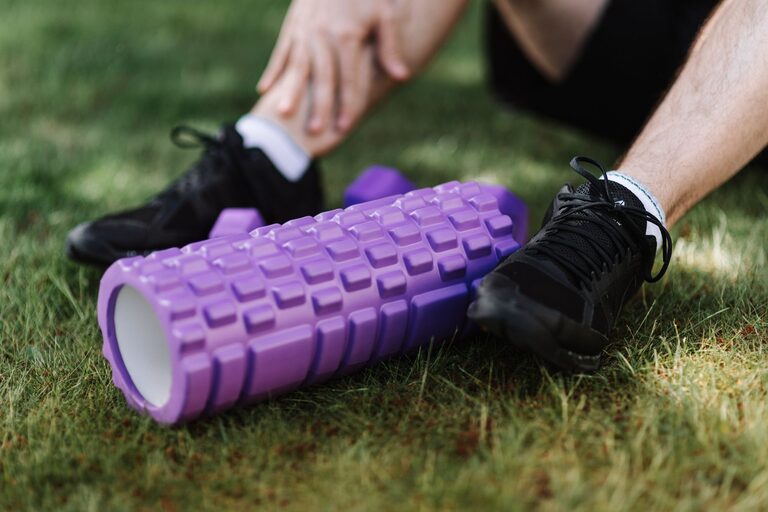

Staying active can support strength, balance, energy, and overall well-being. It can also place repeated demands on the body, especially during running, lifting, cycling, sports, or high-impact workouts. Recovery habits give your body time and support between sessions so you can continue moving with greater comfort and consistency.
Joint care is not about avoiding activity. It is about building a balanced routine that includes movement, rest, preparation, and attention to how your body feels. Small habits practiced regularly can make recovery a natural part of an active lifestyle.
Start With a Thoughtful Warm-Up
A warm-up prepares your body for the movements ahead. It gradually raises your body temperature, increases circulation, and helps you shift from rest into activity.
A useful warm-up does not need to be long. Try five to ten minutes of easy movement, such as:
– Brisk walking
– Light cycling
– Gentle marching
– Arm circles
– Bodyweight squats
– Easy movement patterns related to your workout
After general movement, add a few controlled motions that match the activity. For example, a tennis player might practice gentle side steps, while someone preparing for a lower-body workout might include slow lunges.
Avoid forcing deep stretches when your body is still cold. Focus on smooth, comfortable movement and gradually increase the intensity.
Cool Down Instead of Stopping Suddenly
After exercise, take a few minutes to lower your pace. A cool-down can help you transition from intense activity to rest and gives you a chance to notice how your body feels.
A cool-down might include:
– Five minutes of easy walking
– Gentle cycling
– Slow breathing
– Comfortable mobility exercises
– Light stretching after your body feels warm
Stretching should feel mild, not painful. You do not need to push for maximum range. A relaxed, controlled stretch held for a short period can be enough to finish a workout.
Build Strength Around Major Joints
Strong muscles help support the movements required in daily life and exercise. A balanced strength routine can include the muscles around the hips, knees, ankles, shoulders, elbows, and spine.
Choose exercises that match your experience and goals. Examples include:
– Squats or sit-to-stand movements
– Step-ups
– Glute bridges
– Rows
– Presses
– Calf raises
– Core stability exercises
Begin with a manageable level of resistance. Use slow, controlled movements and focus on good form rather than lifting as much as possible. If an exercise causes sharp or unusual discomfort, stop and consider asking a qualified fitness professional for guidance.
Strength training does not need to be complicated. Two or three short sessions each week can complement activities such as walking, swimming, or recreational sports.
Increase Training Gradually
Doing too much too soon is a common reason active adults feel run down. A sudden increase in distance, weight, speed, or workout frequency can make recovery more difficult.
When changing your routine, adjust one factor at a time. You might add a little more distance while keeping your pace steady, or increase resistance without adding extra sets.
Use your recent experience as a guide. If you feel unusually tired for several days after a workout, your current training load may be higher than your body can comfortably handle. Reduce the intensity, take an easier session, or add another rest day before building again.
Consistency usually matters more than occasional intense effort.
Make Rest Days Part of the Plan
Rest is not wasted time. It gives your body a break from repeated demands and can help you return to activity with better energy.
A rest day does not always mean sitting still. Active recovery can include:
– Easy walking
– Gentle swimming
– Light stretching
– Relaxed cycling
– Comfortable mobility work
– Household activities at an easy pace
The goal is to keep movement easy and enjoyable. If you feel tired, sore, or unmotivated, choose a lower-effort option rather than trying to match your hardest workout.
Prioritize Sleep and Daily Recovery
Sleep is one of the most important recovery habits. A regular sleep schedule can support energy, focus, and readiness for activity.
To create a more consistent routine:
– Go to bed and wake up at similar times
– Keep your bedroom comfortable and quiet
– Reduce bright screens before bed
– Use a relaxing wind-down routine
– Avoid scheduling demanding workouts too close to bedtime if they disturb your sleep
Recovery also happens outside the gym. Break up long periods of sitting with short walks or gentle movement. Change positions throughout the day, especially if your work requires extended time at a desk or behind the wheel.
Support Activity With Food and Fluids
Regular meals and enough fluids help support everyday energy. Drink water throughout the day, especially before and after exercise or during warm conditions.
Include a variety of foods in your routine, such as:
– Fruits and vegetables
– Whole grains
– Beans and other protein-rich foods
– Eggs, fish, poultry, or other preferred protein sources
– Nuts and seeds
– Dairy or fortified alternatives
There is no single food that replaces a balanced routine. Aim for steady, varied eating rather than relying on extreme approaches or quick fixes.
Choose Comfortable Equipment and Surfaces
Your surroundings can affect how your body handles activity. Wear footwear that feels comfortable and suits the activity you are doing. Replace worn-out shoes when they no longer provide a stable, comfortable fit.
Varying your training surfaces can also be useful. For example, alternate between trails, tracks, sidewalks, and indoor surfaces when appropriate. More importantly, choose areas that are clear, stable, and suitable for your experience level.
Equipment should support good control. Adjust seats, handles, weights, and other features so they fit your body and the movement you are performing.
Pay Attention to Patterns
A simple activity log can help you understand how your body responds to training. Record details such as:
– Type of exercise
– Duration or distance
– Intensity
– Sleep quality
– Energy level
– Any unusual discomfort
Look for patterns over several weeks rather than focusing on one day. This information can help you decide when to progress, repeat a workout, or schedule more recovery.
Normal post-exercise tiredness may improve with rest. However, ongoing, worsening, or sharp discomfort deserves attention. Consider pausing the activity and speaking with a qualified healthcare or fitness professional for personalized guidance, particularly if discomfort affects everyday movement.
Keep Recovery Simple and Consistent
Joint-friendly recovery does not require an elaborate routine. A practical approach may include a short warm-up, controlled exercise, a gradual training plan, regular rest, comfortable movement, and reliable sleep.
The best habits are the ones you can maintain. Start with one or two changes, such as adding a five-minute cool-down or planning an easier day after a demanding workout. Over time, these simple choices can help you stay active while giving your body the support it needs.