
Rowing asks the shoulders and elbows to repeat the same movement pattern many times during every session. Whether you row on the water or use an indoor machine, comfortable movement depends on more than arm strength. Good technique, controlled mobility, balanced strength, and sensible recovery all play a part.
The goal is not to force a deeper stretch or make every joint move as far as possible. Instead, rowers should aim for smooth, controlled movement that matches their technique and training needs. The following habits can help support comfortable shoulder and elbow movement throughout the rowing season.
Understand the Movement Pattern
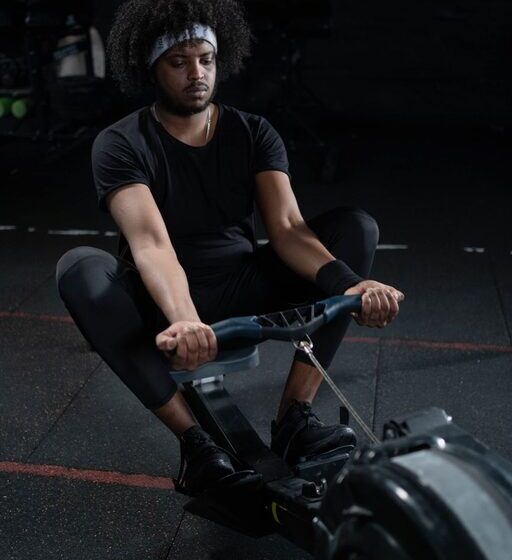
A rowing stroke uses the legs, hips, trunk, shoulders, and arms in a coordinated sequence. The arms should not do all the work. During the drive, the legs and hips create much of the power, while the arms stay relatively relaxed until the later part of the movement.
At the finish, the elbows bend as the handle moves toward the body. During the recovery, the arms extend before the body folds forward and the knees bend. Keeping this sequence organized can reduce unnecessary tension in the shoulders and elbows.
Focus on these basic points:
– Keep the shoulders relaxed rather than lifted toward the ears.
– Allow the elbows to bend and extend smoothly.
– Keep the wrists in a comfortable, mostly neutral position.
– Let the hands travel in a straight, controlled path.
– Avoid snapping or locking the elbows at the end of the recovery.
– Use the legs and hips to create power instead of pulling hard with the arms.
A consistent stroke helps distribute work across the body instead of placing extra stress on the upper limbs.
Prepare Before Rowing
A short warm-up can help you move with better control at the start of a session. Begin with several minutes of easy rowing, gradually increasing the pace. This gives you time to check your posture, hand position, and shoulder tension before adding intensity.
You can also include simple dynamic movements, such as:
– Arm circles performed in a comfortable range
– Shoulder blade movements, including gentle forward and backward motions
– Light band pull-aparts
– Slow elbow bends and extensions
– Trunk rotations
– Easy bodyweight squats or hip hinges
Keep these movements smooth and moderate. A warm-up should prepare you for training, not leave your muscles tired before the main session begins.
Build Comfortable Shoulder Mobility
Shoulder mobility supports the reach, finish, and recovery portions of the stroke. However, mobility work should be controlled rather than aggressive. Forcing the shoulder into an uncomfortable position may make it harder to maintain good technique.
Try including a few simple exercises several times per week:
Wall Slides
Stand with your back near a wall and place your arms in a comfortable bent position. Slowly slide the arms upward, then return them to the starting position. Keep the movement controlled and avoid shrugging.
Wall slides encourage shoulder movement while giving you feedback about posture. If your back or ribs move excessively, reduce the range.
Shoulder Blade Reaches
Reach both hands forward as if gently pushing an object away. Allow the shoulder blades to move naturally, then draw them back without squeezing them forcefully together.
This exercise helps you practice movement through the shoulder blades, which are important for a smooth rowing stroke.
Open Book Rotations
Lie on your side with your knees comfortably bent and your arms extended in front of you. Slowly rotate the upper arm and chest toward the opposite side, then return to the starting position. Move only as far as you can while keeping the lower body steady.
This exercise adds gentle upper-body rotation and can help rowers become more aware of trunk and shoulder movement.
Support the Elbows With Balanced Strength
Rowing involves frequent elbow bending and straightening. The muscles around the upper arm, shoulder, and forearm help control these actions. Balanced strength can make it easier to maintain a relaxed grip and steady stroke.
Useful exercises may include:
– Light resistance band rows
– Scapular pushups
– Incline pushups
– Controlled biceps curls
– Light triceps extensions
– External rotation exercises with a resistance band
– Farmer carries with a comfortable weight
Use a manageable resistance and prioritize smooth movement. Keep the elbows aligned with the intended path instead of allowing them to flare suddenly. Two or three sets of controlled repetitions may be enough to support a general strength routine.
Rowers should also avoid making every upper-body exercise a high-effort pulling movement. Combining pulling exercises with gentle pushing and shoulder-control exercises can encourage a more balanced program.
Check Your Technique on the Ergometer
Small technique habits can influence how the shoulders and elbows feel. On an indoor rower, record a short video from the side or ask a coach to observe your stroke. Look for signs such as:
– Shoulders rising toward the ears
– Elbows bending too early in the drive
– Excessive reaching at the catch
– Arms pulling before the legs and hips contribute
– Elbows locking aggressively on the recovery
– Wrists bending sharply
– The handle traveling unevenly
A relaxed grip is especially useful. Hold the handle firmly enough to control it, but avoid squeezing harder than necessary. Excess grip tension can travel up through the forearms into the elbows and shoulders.
If your movement becomes less controlled as you tire, reduce the pace or take a short break. Quality technique is usually more helpful than forcing extra repetitions with poor control.
Manage Training Load and Recovery
Comfortable movement depends partly on how much rowing you do and how quickly you increase it. A sudden jump in duration, intensity, or frequency can leave the upper body feeling overworked, especially if you also add strength training or other pulling activities.
When increasing your training, change one factor at a time when possible. For example, add a small amount of duration before adding more high-intensity intervals. Include easier sessions so your body has time to adapt.
Recovery habits can include:
– Taking easy days between demanding sessions
– Varying stroke rates and workout formats
– Sleeping consistently
– Eating regular, balanced meals
– Performing light movement on rest days
– Limiting additional activities that heavily repeat the same pulling motion
Gentle movement is often preferable to complete inactivity after a normal training session. Easy walking, relaxed mobility exercises, or light cycling can help you stay active without adding substantial upper-body load.
Respect Warning Signs
Normal training fatigue may feel like general heaviness or temporary tightness. However, sharp discomfort, a sudden loss of strength, unusual swelling, or movement that becomes increasingly limited should not be ignored.
If discomfort continues, changes your technique, or interferes with everyday activities, pause the aggravating exercise and seek guidance from a qualified coach or appropriate health professional. Do not try to push through worsening symptoms or use stretching to force a joint back into a comfortable range.
Create a Simple Weekly Routine
A practical routine can be short and consistent. Before rowing, spend five to ten minutes warming up with easy strokes and dynamic movements. After training, use relaxed mobility work rather than forcing long stretches.
Two or three times per week, add a brief strength session that includes shoulder-blade control, light pushing and pulling, and forearm or elbow exercises. Review your technique regularly, and adjust training volume when your movement becomes tense or inconsistent.
Comfortable shoulders and elbows are supported by many small habits: efficient sequencing, a relaxed grip, balanced strength, gradual training changes, and enough recovery. By focusing on those basics, rowers can make each stroke feel smoother and keep their upper-body movement ready for the next session.