
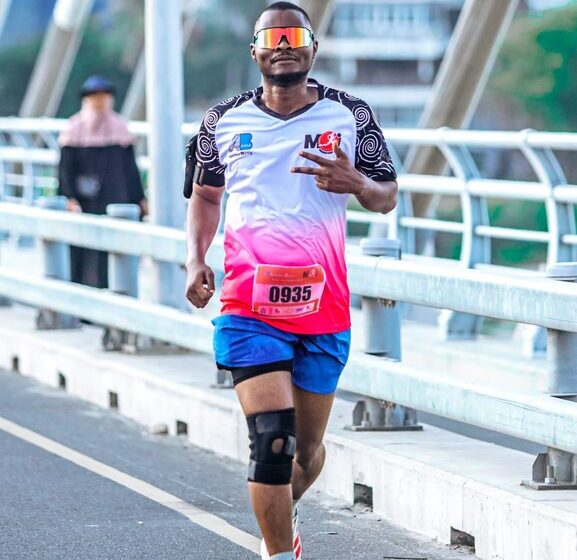

Long-distance running places repeated stress on the knees. With thoughtful training habits, runners can support joint comfort, improve efficiency, and reduce the risk of common overuse problems. Knee protection is not about avoiding hard work; it is about giving the body enough time and support to adapt.
Whether you are preparing for your first half marathon or building toward a longer race, the following strategies can help you train more consistently and confidently.
Increase Mileage Gradually
One of the most common causes of running-related discomfort is increasing training too quickly. Muscles, tendons, and joints need time to adjust to longer distances, faster paces, and more frequent workouts.
Instead of making large jumps in weekly mileage, increase your total gradually. You can also add a lighter week every few weeks, reducing distance or intensity so your body has time to recover.
Track More Than Distance
Weekly mileage is only one part of your training load. Also consider:
- Running speed and interval sessions
- Hills and uneven surfaces
- Long periods of standing or physical work
- Strength training and other high-impact activities
- Changes in sleep, stress, or recovery time
A moderate increase in distance may feel very different when combined with extra hills and speedwork. Change one major training factor at a time whenever possible.
Build a Balanced Training Schedule
Long runs are important for endurance, but they should not be the only focus of your schedule. A balanced plan usually includes easy runs, rest or recovery days, and occasional quality workouts.
Easy runs should feel controlled enough that you could speak in short sentences. Running every session at a challenging pace can add unnecessary stress and make it harder to recover between workouts.
Rest days are also part of training. They give your body time to respond to the work you have completed. If you feel unusually tired, heavy, or uncomfortable, replacing a hard session with rest or gentle movement may be more useful than pushing through.
Strengthen the Muscles Around the Knees
Running strength does not come only from the knees. The hips, glutes, thighs, calves, and core all help control movement and absorb force. A well-rounded strength routine can support better stability during long runs.
Consider including exercises such as:
- Bodyweight squats
- Step-ups
- Reverse lunges
- Glute bridges
- Calf raises
- Side leg lifts
- Single-leg balance exercises
Use controlled movements and focus on steady alignment rather than lifting as heavily as possible. Two short strength sessions per week can complement a running plan without taking too much energy from your main workouts.
Pay Attention to Running Form
There is no single perfect running style, but certain habits can make running feel smoother. Try to maintain a relaxed upper body, keep your steps light, and avoid reaching far ahead with your foot.
A slightly quicker, comfortable cadence may help some runners reduce overstriding. However, avoid forcing a specific step rate. Sudden changes in form can create new strain, so make small adjustments and give yourself time to adapt.
Keep Your Alignment Comfortable
During a run, your knees should generally track in the same direction as your feet. Avoid allowing the knees to collapse inward, particularly during hills, turns, or moments of fatigue. Strength work and occasional form checks can help you notice movement patterns that become less controlled late in a run.
Choose Shoes That Fit Well
Running shoes cannot prevent every problem, but comfortable, well-fitting shoes can make training more enjoyable. Look for enough room in the toe box, a secure heel, and a fit that does not create pressure or rubbing.
When replacing shoes, consider how they feel during actual runs rather than relying only on appearance or a particular model’s popularity. If you switch to a very different shoe design, introduce it gradually instead of using it immediately for a long run.
Keep an eye on the condition of your shoes. Flattened cushioning, uneven wear, or a noticeable loss of comfort may be signs that it is time to evaluate a replacement. Shoe life varies based on body size, running surface, stride, and construction.
Vary Your Running Surfaces
Running on the same surface every day can place similar demands on your body repeatedly. When practical, include a mix of roads, tracks, smooth trails, and other stable surfaces.
Surface variety can also make training more interesting. However, introduce uneven trails, steep hills, or technical terrain slowly. These settings require more balance and control, especially when you are tired.
Warm Up and Cool Down With Purpose
Before a demanding run, begin with several minutes of easy movement. A gentle jog followed by dynamic movements such as leg swings, walking lunges, and controlled skips can prepare you for the session.
Save long, relaxed stretching for after the workout or for a separate flexibility session. After running, finish with an easy walk and drink enough fluids to replace what you lost. A gradual cool-down can make it easier to transition out of a hard effort.
Respect Early Warning Signs
Normal training fatigue often improves with rest. Persistent or worsening discomfort deserves more attention. Pay close attention when pain changes your stride, appears earlier in each run, or remains after you stop exercising.
Do not treat pain as a challenge to ignore. Reduce or pause the activity that aggravates it, and consider speaking with a qualified sports health professional if the problem continues or affects daily movement. Getting guidance early can help you make sensible adjustments before a minor issue disrupts your training.
Support Recovery Between Runs
Recovery is influenced by more than rest days. Aim for consistent sleep, regular meals, and enough fluids. Include a variety of foods that provide carbohydrates, protein, healthy fats, and essential nutrients to support an active lifestyle.
Gentle walking, light mobility work, or easy cycling may help you stay active on recovery days without adding the same impact as running. The best option is one that leaves you feeling refreshed rather than more tired.
Make Knee Protection a Long-Term Habit
Healthy long-distance training comes from consistency, not from completing every workout at maximum effort. Increase your workload gradually, strengthen the muscles that support your stride, use comfortable shoes, and take recovery seriously.
Most importantly, treat your body’s feedback as useful information. A patient, balanced approach can help you spend more time enjoying long runs and less time managing avoidable setbacks.